Source Non Slip Cotton Pilates Socks for Yoga, Fitness, and Daily Exercise
Find 30 non slip cotton pilates socks options from Chinese manufacturers. Compare features like anti-slip grips, breathable spandex blends, and customization services for yoga, fitness, and daily exercise needs.
Key considerations
Products List


Comprehensive Sourcing Guide
Non Slip Cotton Pilates Socks Sourcing Guide
Sourcing non-slip cotton pilates socks requires a clear understanding of the specific material blend and functional design that distinguishes these items from standard athletic hosiery. The core product category is defined by a Spandex and Cotton composition, which balances the breathability and comfort of natural fibers with the elasticity needed for a secure fit during dynamic movements. Buyers must recognize that while the primary material is cotton, the inclusion of Spandex is critical for the sock's ability to maintain tension and prevent slipping, a feature explicitly highlighted in product attributes as "Non-Slip" and "Durable."
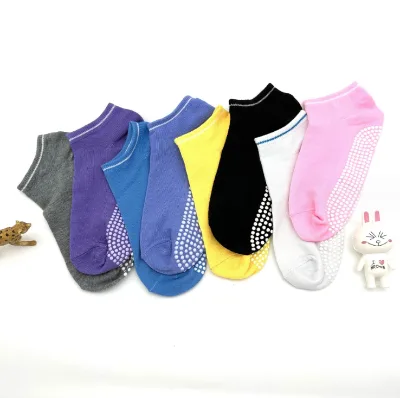
The market for these socks is segmented by specific usage scenarios, primarily targeting Yoga, Pilates, Fitness, and general Exercise applications. Unlike generic gym socks, these items often feature specialized designs such as toe styles or crew lengths to accommodate barefoot movement on studio floors. The product listings indicate a strong emphasis on customization, with options for solid colors, existing color choices, and even customized logos, suggesting that buyers should prioritize suppliers capable of flexible production runs rather than those offering only rigid, pre-packaged inventory.
Product Scope and Observed Listing Signals
When evaluating product listings, buyers should look for specific signals that confirm the item meets the rigorous demands of Pilates and yoga practice. The observed product range includes models with identifiers such as ZQ-5, TLM-YS-001, and TLM-YS-009, which often come with varying size specifications ranging from "M" and "Medium" to "Uniform Size" or "One Size." It is essential to verify that the listed size corresponds to the intended fit, as some products specify a standard range of 54cm-63cm, while others offer fully customized sizing to accommodate different foot dimensions.
Color and style options are broad, with listings indicating availability in eight distinct colors, ranging from solid colors to customized options. The product attributes frequently mention "Breathable," "Eco-Friendly," and "Anti-Slip" features, which are critical for user comfort and safety during extended sessions. However, buyers must treat these attributes as observations of specific listings rather than universal guarantees; a specific model may be breathable and anti-slip, but another model in the same category might lack the "Deod" (deodorizing) feature or the specific "Thermal" properties listed in other entries.
Technical Specifications to Verify
The technical verification process must begin with the material composition, specifically confirming the ratio of Spandex to Cotton. While the general category is defined as Spandex/Cotton, the exact blend percentage is not provided in the general facts and must be confirmed with the supplier to ensure the sock retains its shape and non-slip integrity after repeated washing. The presence of a "Non-Slip" function is a key specification, but the buyer should request details on the grip technology, such as silicone dots or specific weaving patterns, to ensure they are suitable for the specific floor surfaces used in their studio or facility.
Packaging and dimensional standards are equally critical for logistics and retail readiness. Listings show a variety of packaging methods, from simple "OPP" bags to "Plastic Bag + Carton" combinations, and some products offer packing "According to Client Request." Buyers should verify the physical dimensions of the product, as some entries list specific packaging sizes like 20.00cm * 10.00cm * 1.00cm, while others provide standard length specifications like "Crew Socks." Ensuring that the packaging protects the non-slip elements during transit and that the dimensions align with the buyer's shipping constraints is a necessary step before finalizing an order.
Compliance and Safety Documentation
In the realm of textile procurement, compliance documentation often centers on material safety and manufacturing standards rather than complex regulatory certifications for the product itself. The supplied facts indicate that product standards can be "Customized," which implies that the supplier may not adhere to a single, universal international standard for all items. Buyers should explicitly request documentation regarding the safety of the dyes used for the "Colored" and "Solid Color" options, ensuring they meet the chemical safety requirements of the destination market, particularly for products intended for direct skin contact during exercise.
Safety verification also extends to the functional claims of the product, specifically the "Non-Slip" and "Anti-Slip" features. While the product attributes list these as features, buyers must verify that the supplier can provide test results or quality control records that substantiate the grip performance under wet or dry conditions. Since the product origin is listed as Shanghai, Jiangsu, or generally China, buyers should ensure that the manufacturing facility adheres to local labor laws and environmental regulations, as these factors can impact the long-term reliability of the supply chain and the ethical standing of the procurement.
Cost Drivers and Commercial Terms
The commercial landscape for non-slip cotton pilates socks is characterized by a wide range of pricing and minimum order quantities (MOQ). The observed price range spans from $0.20 to $3.57 USD, a variance that is likely driven by the complexity of the design, the quality of the cotton-spandex blend, and the extent of customization required. Buyers should understand that lower price points often correspond to standard sizes and solid colors, while higher prices may reflect custom logos, specific packaging requests, or specialized non-slip technologies that require more intricate manufacturing processes.
MOQs and lead times are significant factors in the total cost of ownership, with observed ranges from 2 to 5,000 units and delivery dates typically falling between 15 to 20 days. The flexibility of the supplier is a major cost driver; many listings indicate that OEM/ODM services are available and that customization is an option, which can increase the unit cost but reduce the risk of overstocking. Buyers must balance the desire for low MOQs, which might be as low as 100 pairs for some models, against the need for economies of scale, ensuring that the lead time of 15-20 days aligns with their inventory planning and market launch schedules.
Supplier Qualification and Quality Control
Qualifying a supplier for this specific product category requires a deep dive into their manufacturing capabilities and their history with textile customization. The fact that multiple product models exist with different origins, such as Shanghai and Jiangsu, suggests that buyers may be dealing with a network of manufacturers or a large trading company. It is crucial to verify that the supplier has direct control over the production of the Spandex/Cotton blend and the application of the non-slip elements, rather than simply sourcing finished goods from third parties, to ensure consistent quality and the ability to troubleshoot production issues.
Quality control protocols must be established to address the specific risks associated with non-slip socks, such as the durability of the grip and the integrity of the stitching. Since the product attributes mention "Durable" and "Breathable" features, buyers should implement a sampling process that tests these claims under simulated usage conditions. The availability of "Customized" packing and standards indicates that the supplier is flexible, but this flexibility must be matched with rigorous inspection procedures to ensure that the final product meets the agreed-upon specifications for size, color, and functional performance before shipment.
Long-Term Procurement Checks
Establishing a long-term procurement relationship for non-slip cotton pilates socks involves monitoring the consistency of the product attributes over time. Buyers should regularly audit the supplier's ability to maintain the Spandex/Cotton ratio and the effectiveness of the non-slip features, as these are the core value propositions of the product. The observation that some products offer "Customized" sizes and logos suggests a high degree of flexibility, but buyers must ensure that this customization does not come at the expense of quality control or lead time reliability in future production runs.
Sustainability and market adaptability are also key considerations for long-term success. With attributes like "Eco-Friendly" appearing in the product list, buyers should verify if the supplier is adopting more sustainable practices in their cotton sourcing or dyeing processes to meet evolving consumer expectations. Additionally, the ability of the supplier to adapt to changing trends, such as new color palettes or updated non-slip technologies, will be essential. Buyers should maintain open communication channels to ensure that the supplier remains responsive to market shifts and can continue to deliver high-quality, compliant products that meet the specific needs of the yoga and Pilates communities.
FAQs
What materials are used in these non slip pilates socks?
The socks are primarily made from a blend of Spandex and Cotton. This combination ensures durability and comfort during exercise. The material choice supports breathability and elasticity, which are essential for yoga and Pilates activities. Some variations may include additional features like thermal or anti-slip properties depending on the specific model selected by the client.
Can I customize the logo and color of the socks?
Yes, customization is available for both logos and colors. Buyers can choose from existing solid colors or request customized options. The logo can also be customized to meet specific branding requirements. This OEM and ODM service allows for tailored products that align with your brand identity and market needs.
What is the minimum order quantity for these socks?
The minimum order quantity varies, with observed ranges from 2 to 5000 pairs. Specific listings indicate an MOQ of 100 pairs for certain models. Buyers should confirm the exact MOQ with the supplier based on the chosen product model and customization requirements. Flexible MOQs are often available to accommodate different business scales.
Where are these yoga socks manufactured?
These socks are manufactured in China, with specific origins noted in Shanghai and Jiangsu. The production locations ensure access to established textile supply chains. Buyers can expect products originating from these regions, which are known for their manufacturing capabilities in sportswear and fitness accessories.
What features do these non slip socks offer?
Key features include non-slip grips, durability, and breathability. Some models also offer thermal properties and anti-deodorant benefits. The socks are designed for fitness sports, yoga, and Pilates. They come in various sizes, including M, Uniform Size, and One Size, to fit different user preferences and ensure a secure fit during exercise.
How long is the delivery time for orders?
The typical delivery time is 15-20 days. This lead time applies to standard production runs. Buyers should account for this duration when planning inventory. Customization or large orders may require additional time, so it is advisable to confirm specific lead times with the supplier before placing an order.